
How Hot Tubs Are Manufactured
Hot tub manufacturing follows a broadly similar process regardless of material: a shell is formed (molded for acrylic and fiberglass, or built from staved timber for wood-fired models), a heating system is fitted, insulation is added between the shell and outer cladding, and the unit is pressure-tested before shipping. Manufacturers that keep this entire process in-house — rather than subcontracting shell production or heater installation — generally offer more consistent quality and more reliable lead times, because they aren’t dependent on a third party’s schedule.
Shell Production
Acrylic shells are vacuum-formed over a mold and reinforced with fiberglass backing for structural strength. Fiberglass-only shells are laid up directly in a mold using resin and glass-fiber matting. Wood-fired hot tubs use staved construction — vertical wooden planks bound by metal or composite hoops, similar to traditional barrel-making — which is why wood-fired hot tub manufacturing is closely tied to regions with strong timber and cooperage traditions, such as the Baltic states.
Heating Systems
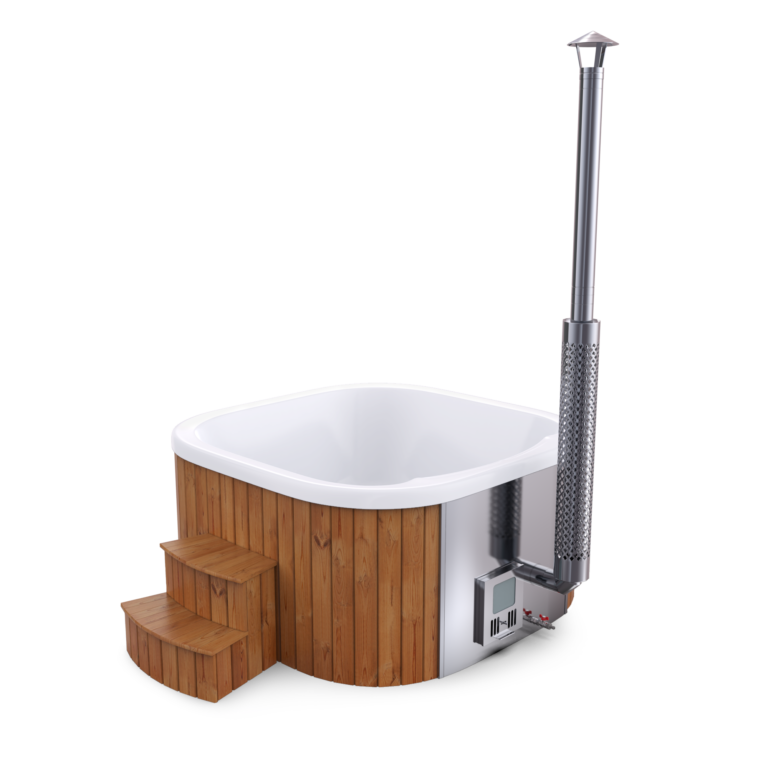
Electric heaters, either integrated into the shell or mounted externally, are the most common choice for electric hot tubs and heat water in a few hours depending on tub volume and heater wattage. Wood-fired heaters — internal stoves submerged in the tub or external stoves connected by pipes — take longer to heat but have no electricity running cost, making them popular for off-grid installations and buyers who want a lower long-term operating cost.
Quality and Testing
Before shipping, reputable manufacturers pressure-test plumbing and heating connections, check seams and joints for leaks, and verify the shell against the original mold specifications. Buyers sourcing wholesale should ask manufacturers directly what quality-control and testing steps are performed on every unit, since this varies significantly between factories and isn’t always documented publicly. See Memelwood’s own about us page for more on our production standards.
Types of Hot Tubs Explained
The four most common hot tub types on the European market are acrylic, fiberglass, jacuzzi-style (multi-seat acrylic with jets), and wood-fired/ofuro-style tubs. Each differs in heating method, maintenance requirements, typical price range, and ideal use case.
| Type | Heating | Maintenance | Best for |
|---|---|---|---|
| Acrylic | Integrated or external electric heater | Low — smooth surface, easy to clean | Frequent use, home installations, fast heat-up |
| Fiberglass | Electric or wood-fired heater options | Low to moderate | Durability, lighter weight for transport/installation |
| Jacuzzi (acrylic + jets) | Electric heater with pump-driven jets | Low to moderate — jet lines need periodic cleaning | Multi-person soaking, spa/wellness settings |
| Wood-fired / Ofuro | Wood-burning stove (internal or external) | Moderate — requires firewood and fire tending | Off-grid use, lower running costs, traditional bathing |
Acrylic Hot Tubs
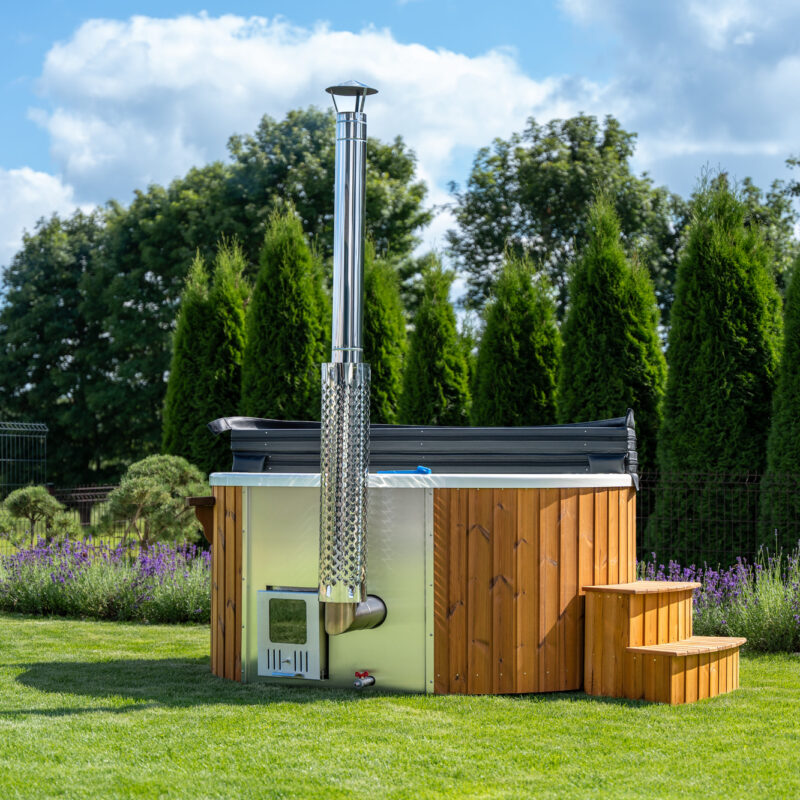
Acrylic hot tubs heat quickly with an electric heater and have a smooth, non-porous surface that resists algae and is straightforward to clean, making them the most common choice for buyers who want frequent, low-maintenance use. They’re available with integrated heaters, built into the shell, or external heaters, mounted alongside the tub, and can be finished with a range of wood claddings for a more natural exterior appearance. See examples: acrylic round hot tub with integrated heater and acrylic square hot tub with integrated heater.
Fiberglass Hot Tubs
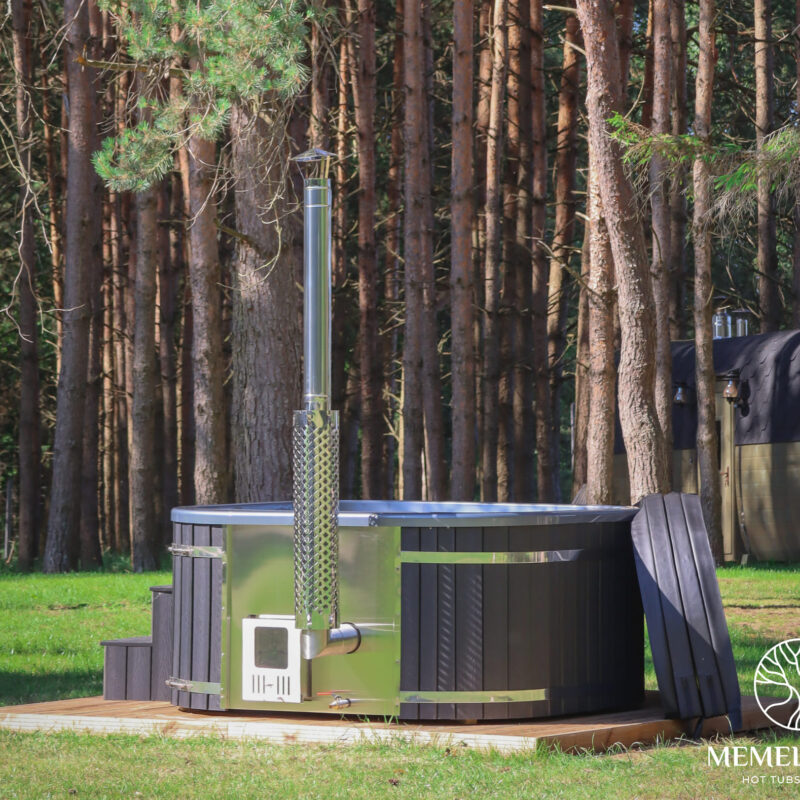
Fiberglass shells are lighter than acrylic while remaining structurally durable, which simplifies transport and installation — particularly relevant for rooftop, elevated deck, or limited-access installations where shell weight affects delivery logistics. Fiberglass models are offered with either electric or wood-fired heating; browse the full fiberglass hot tub range or explore square-shape hot tubs for a more architectural footprint.
Jacuzzi-Style Hot Tubs
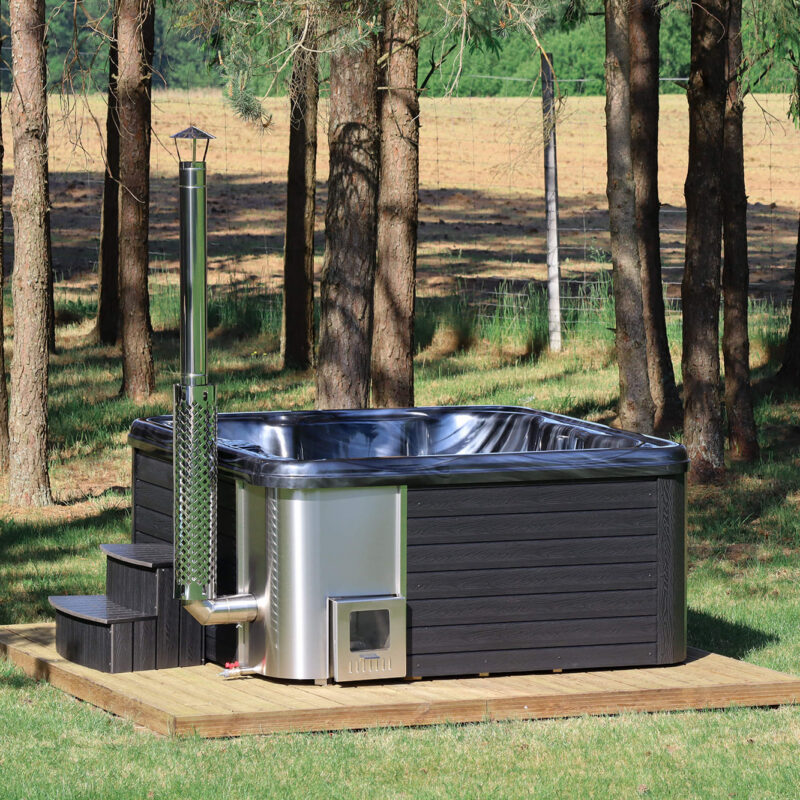
Jacuzzi-style hot tubs add pump-driven jets to an acrylic shell for a massage function, and typically seat multiple people. They require slightly more maintenance than a plain acrylic tub because jet lines need periodic flushing to prevent bacterial buildup, but otherwise share acrylic’s fast heat-up time and easy-clean surface. See the acrylic Jacuzzi hot tub with integrated heater for a typical configuration, or the full Jacuzzi hot tub category.
Wood-Fired and Ofuro-Style Hot Tubs
Wood-fired hot tubs, including ofuro-style soaking baths, use a wood-burning stove instead of electricity, which lowers running costs substantially and suits off-grid cabins, remote properties, or buyers prioritizing a traditional bathing experience. The trade-off is a longer, more hands-on heating process, and typically a higher upfront price for the timber shell construction. See the acrylic ofuro bath with integrated heater as an example model.
Hot Tub Manufacturing in Lithuania and Europe
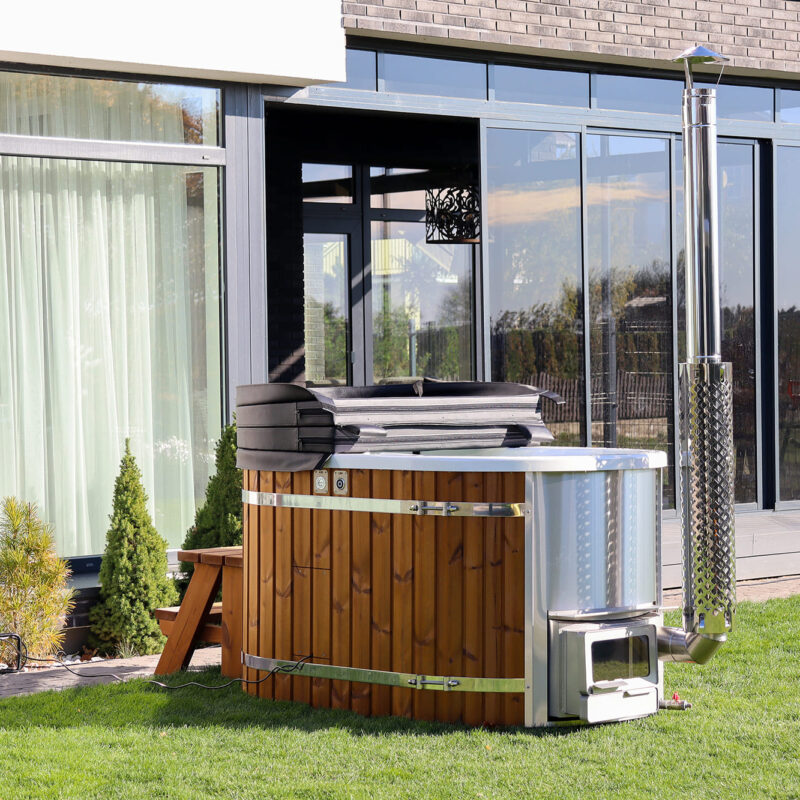
Lithuania has developed a concentrated hot tub manufacturing industry built on its timber and woodworking base, EU membership, which removes customs delays for intra-EU shipping, and lower production costs relative to Western Europe. Lithuanian manufacturers commonly export finished hot tubs across the EU, with some factories shipping to 20 or more countries. For a broader look at how manufacturers across the market compare, see this guide to top hot tub manufacturers in 2026.
Why Buyers Source Hot Tubs from Lithuania
- EU customs union membership removes import duties and customs delays for shipments within the EU.
- A long-standing timber and cooperage (barrel-making) tradition directly supports wood-fired and wood-clad hot tub production.
- Manufacturing costs are generally lower than in Western Europe, without sourcing outside the EU regulatory framework.
- Geographic proximity to Northern, Central, and Western Europe keeps shipping times shorter than sourcing from outside the continent.
Memelwood: A Lithuanian Hot Tub Manufacturer
Memelwood, operated by UAB “Memelio Medis” and based in Telšių district, Lithuania, has manufactured hot tubs for over 15 years, producing more than 17,000 units to date and exporting to 22 countries across Europe. The product range includes acrylic hot tubs, fiberglass hot tubs, jacuzzi hot tubs, and ofuro baths, each available with integrated, external, or horizon heater configurations and a choice of wood cladding, backed by a 2-year warranty and dedicated sales support for both individual and wholesale buyers. Read more on the About Memelwood page.
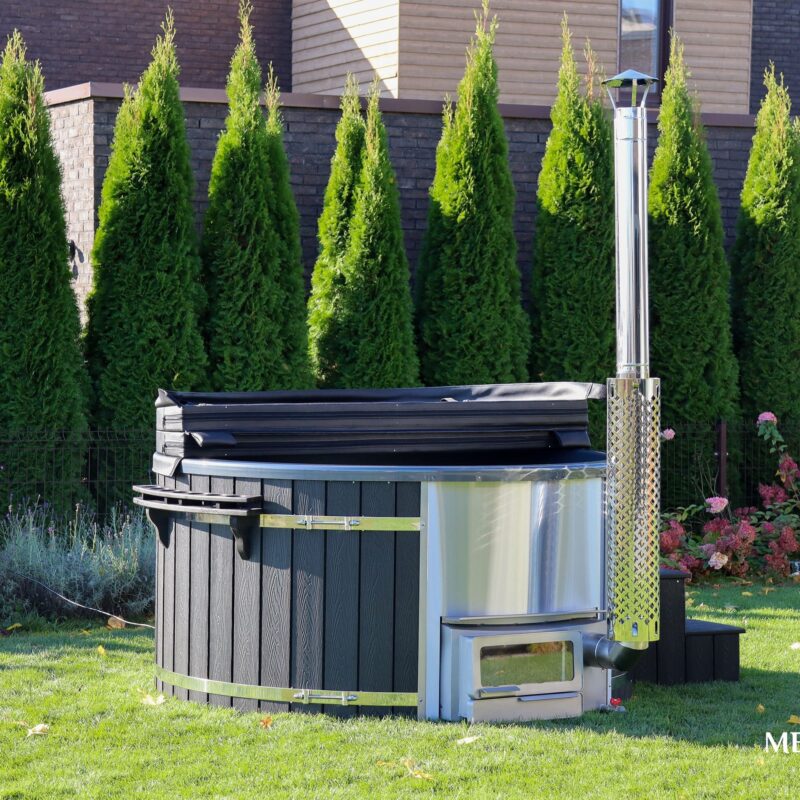
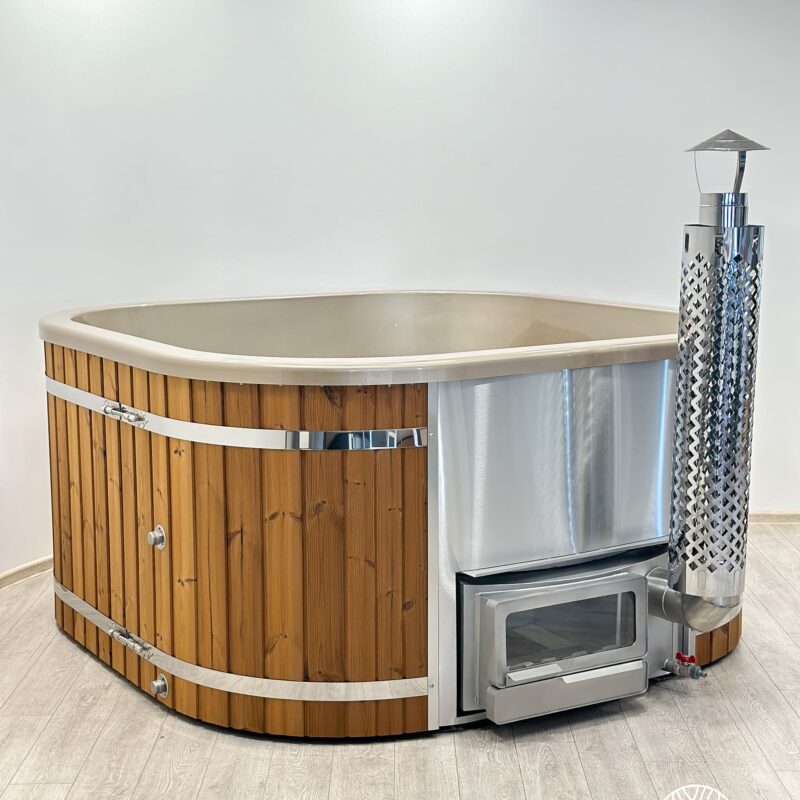
See these models directly: acrylic round hot tub with horizon heater and acrylic square hot tub with horizon heater.
How to Choose a Hot Tub Manufacturer or Supplier
Choosing a hot tub manufacturer comes down to verifying five things directly with the supplier: production history and volume, export experience, warranty terms, lead time reliability, and customization capability. These apply equally whether buying one hot tub for home use or sourcing wholesale for a business.
Questions to Ask Before Ordering
- How many units has the manufacturer produced to date, and how long have they been in operation?
- How many countries do they currently export to, and do they have experience shipping to your specific country?
- What warranty is included, and what does it cover — shell only, or heating components too?
- What is the typical lead time from order to delivery, and is production in-house or subcontracted?
- Can the manufacturer customize materials, cladding, heater type, or branding for bulk or business orders?
- What quality-control or pressure-testing steps are performed before a unit ships?
Buying Wholesale: A B2B Guide
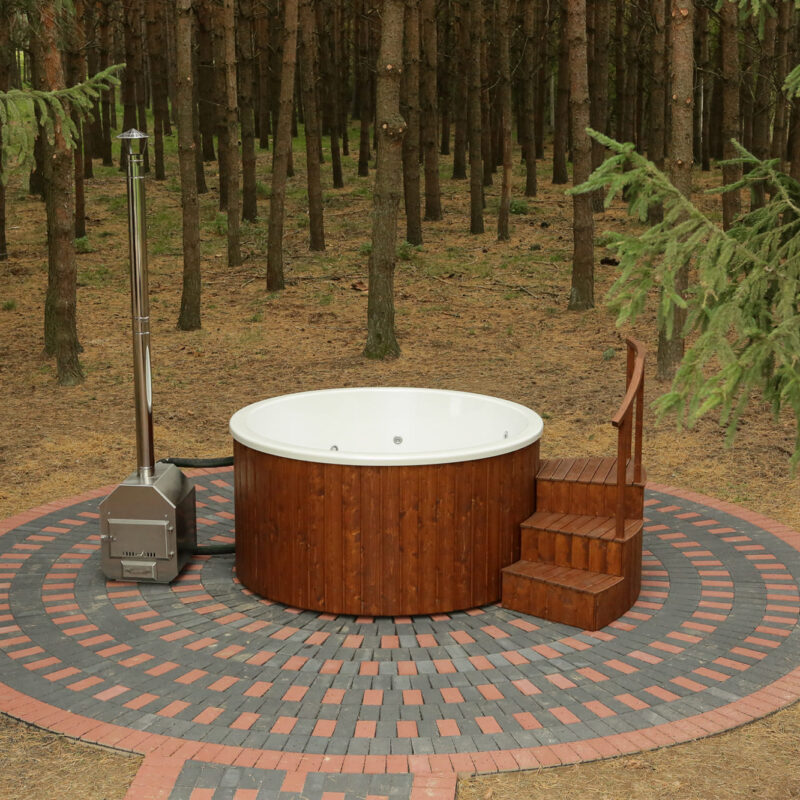
Wholesale hot tub buyers — hotels, spas, wellness centres, and resellers — should evaluate suppliers on minimum order quantity, bulk pricing tiers, customization for branding or specification changes, and consistency of lead times across repeat orders, in addition to the standard criteria above. EU-based manufacturers are generally preferable for EU-based wholesale buyers because they avoid customs duties and import delays that apply to non-EU sourcing. See Memelwood’s dedicated wholesale hot tubs category and the guide to top wholesale hot tubs for a full product breakdown.
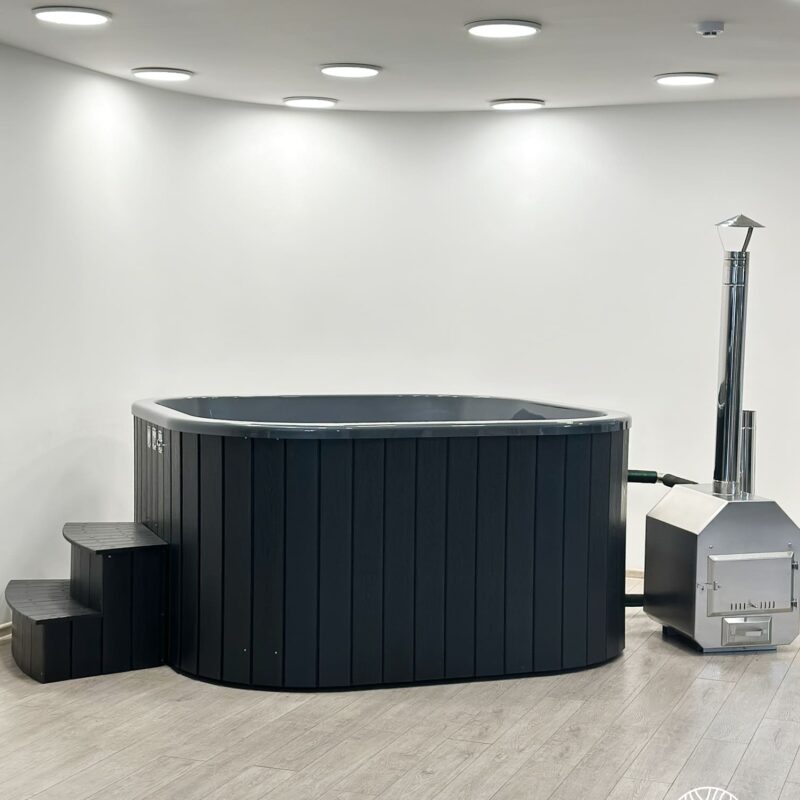
Memelwood supplies hot tubs wholesale to partners across 22 European countries, including hotels, spas, and wellness centres, with the ability to adjust specifications, heater configuration, and cladding for bulk orders. See the acrylic round hot tub with external heater and acrylic square hot tub with external heater as examples suited to commercial installations. Wholesale enquiries can be directed via the contacts page or by requesting a quote directly.
Cost, Warranty, and Lead Times
Hot tub pricing depends primarily on material — wood-fired shells generally cost more than acrylic of a similar size — heater configuration, seating capacity, and cladding choice. A reasonable baseline warranty in the European market is 2 years, and lead times vary by manufacturer but are typically shorter and more predictable when production is fully in-house rather than subcontracted.
Maintenance and Running Costs by Type
Acrylic and fiberglass hot tubs with electric heaters have the lowest maintenance burden — a non-porous surface that resists algae and a heater that runs on a thermostat — but carry ongoing electricity costs. Wood-fired hot tubs have the lowest running cost since they use firewood rather than electricity, but require manual fire tending and generally take longer to reach bathing temperature.
Frequently Asked Questions
What is the difference between an acrylic and a fiberglass hot tub?
Acrylic hot tubs have a vacuum-formed acrylic surface reinforced with fiberglass backing, giving a smooth, easy-to-clean finish. Fiberglass-only shells are laid up directly in a mold and are typically lighter, which can simplify installation in hard-to-access locations. Compare the acrylic range and fiberglass range directly.
Are wood-fired hot tubs cheaper to run than electric ones?
Yes. Wood-fired hot tubs use firewood instead of electricity, which generally lowers running costs, though they require more manual maintenance and take longer to heat than electric models.
Is it better to buy a hot tub from an EU-based manufacturer?
For buyers within the EU, sourcing from an EU-based manufacturer avoids customs duties and import delays, and typically results in shorter, more predictable shipping times than importing from outside Europe.
Why is Lithuania known for hot tub manufacturing?
Lithuania combines a long timber and cooperage tradition with EU membership and competitive manufacturing costs, which together support a concentrated hot tub manufacturing industry that exports across the EU.
What warranty should I expect on a hot tub?
A 2-year warranty is a reasonable baseline in the European market. Buyers should confirm whether the warranty covers the shell only, or also the heating components and plumbing.
Can hot tub manufacturers accommodate custom or wholesale orders?
Many established manufacturers, including Memelwood, work directly with wholesale partners such as hotels, spas, and distributors, and can adjust materials, cladding, and heater configuration for bulk orders via the wholesale category.
How long does a hot tub take to heat up?
Electric-heated acrylic or fiberglass hot tubs typically heat in a few hours depending on tub volume and heater wattage. Wood-fired hot tubs take longer, since heating depends on the fire and ambient conditions.
What should I check before ordering a hot tub wholesale?
Confirm the manufacturer’s production history and volume, export experience to your country, minimum order quantity, standard lead times, warranty terms, and whether custom specifications are available. See the full wholesale buyer’s guide for details.
Does Memelwood manufacture all types of hot tubs?
Yes. Memelwood manufactures acrylic hot tubs, fiberglass hot tubs, jacuzzi hot tubs, and ofuro baths, each available with integrated, external, or horizon heater options and a choice of wood cladding.
Where is Memelwood based, and how can I contact them?
Memelwood (UAB “Memelio Medis”) is based at Mokyklos 16, Buožėnai, Telšių r., LT-88437, Lithuania. Contact via the contacts page, email sales@memelwood.com, call +370 6288 9943, or request a quote directly. Explore the full product catalog or read more about the company.