
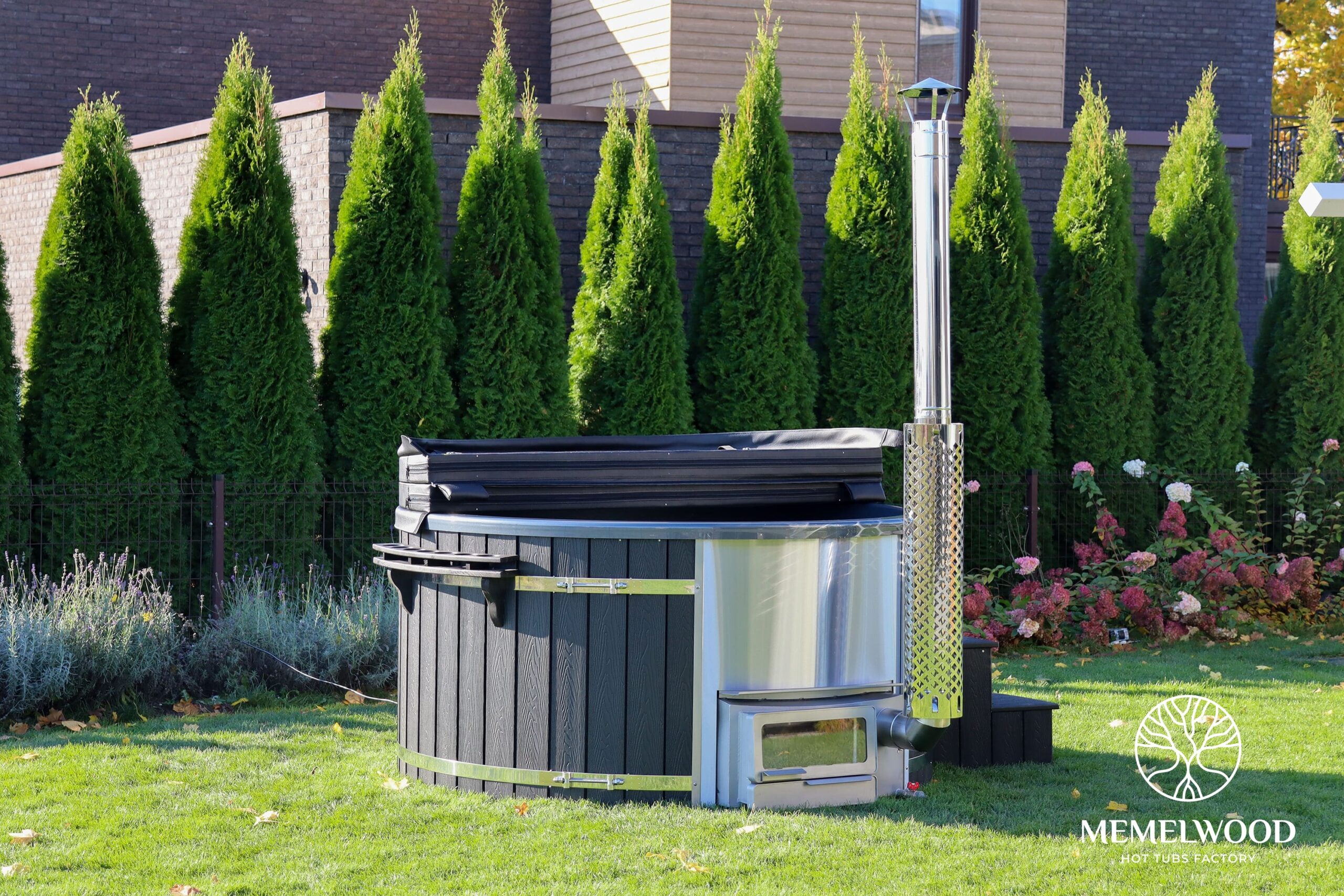
An acrylic outdoor spa – still the go-to choice for anyone serious about a backyard hot tub (photo: Memelwood)
Top 10 Acrylic Hot Tub Shells: What Actually Matters Before You Buy
If you’ve spent the last few weeks scrolling through hot tub listings, you’ve probably noticed the same word popping up over and over: acrylic. That’s not a coincidence. Acrylic shells have become the industry benchmark, the material serious manufacturers build around, from premium American brands to mid-market European factories. But why acrylic, and not vinyl, roto-molded plastic, or plain fiberglass on its own? And why do two acrylic shells that look almost identical in photos end up feeling like completely different products once you own one?
Below we’ve pulled together ten shells and models that stand out in 2026 — from solid family-friendly options to genuinely premium builds. But before jumping into the list, it’s worth spending a minute on what’s actually happening underneath that glossy surface, because that’s where the real differences live.
What an acrylic shell actually is
A lot of buyers assume “acrylic shell” means a solid block of acrylic, shaped and left as-is. In reality the process is more involved. A sheet of acrylic is heated and vacuum-formed into shape, then reinforced from behind with multiple layers of fiberglass and resin. It’s that backing layer — not the acrylic itself — that determines whether the shell survives a hard winter, constant hot water exposure, and years of structural stress.
That’s why the resin-to-fiberglass ratio matters just as much as acrylic thickness. More resin generally means a shell that resists cracking at stress points — around the feet, the seat edges, the jet openings. Budget manufacturers often cut corners here, because this layer is invisible and won’t show up on a spec sheet at a glance.
UV resistance is the other thing worth checking. Acrylic can yellow over time, especially in a sunny, uncovered spot. Better manufacturers mix UV inhibitors into the acrylic itself or apply a protective topcoat that slows the process considerably.
It’s also worth noting how far shell technology has moved in the last decade. A lot of older builds used a single acrylic layer over a fairly thin fiberglass backing, which made them more sensitive to temperature swings and prone to losing shape at the edges over time. The stronger manufacturers today build in layers, so stress is distributed more evenly across the whole surface — which in practice means better performance both in hot water and in cold climates where the tub sits outdoors year-round.
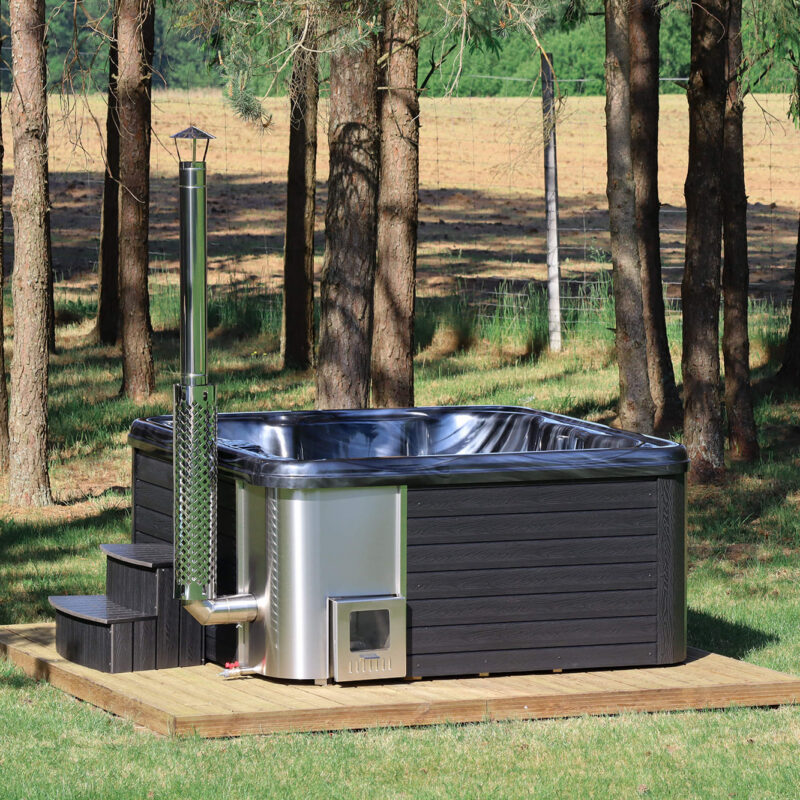
Jet layout and hydromassage quality both trace back to how the shell itself is built (photo: Memelwood)
How we picked these ten
We didn’t just stack the list with the most expensive models, or the cheapest ones either. We looked at three things: shell construction quality, real-world price-to-value, and how the manufacturer behaves after the sale — spare parts availability, warranty follow-through, whether there’s an actual local dealer. A hot tub isn’t a one-time purchase; the spec sheet is only half the story.
1. Bullfrog Spas R7L
Bullfrog took an unusual approach with swappable JetPak massage modules that can be rearranged — or replaced entirely — independent of the shell itself. The R7L uses a reinforced acrylic sheet with an added insulation layer underneath, which keeps winter heating costs noticeably lower than most competitors. The surface finish is also treated to cut down on glare, a small but appreciated detail for anyone using the tub in daylight.
The downside is a steep entry price, and JetPak repairs require Bullfrog’s own parts rather than generic replacements.
2. Hot Spring Spas Aria
Hot Spring is one of the oldest players in the market, and the Aria line reflects that history: less flash, more reliability. The shell is built from a thick acrylic sheet with an even fiberglass layer across the whole surface, with no thin spots near the edges — which is usually where micro-cracks first appear. It’s a fairly compact model, so it fits smaller and mid-sized decks without much trouble.
The heating system runs quietly, which matters more to buyers in tighter neighborhoods than jet count ever will.
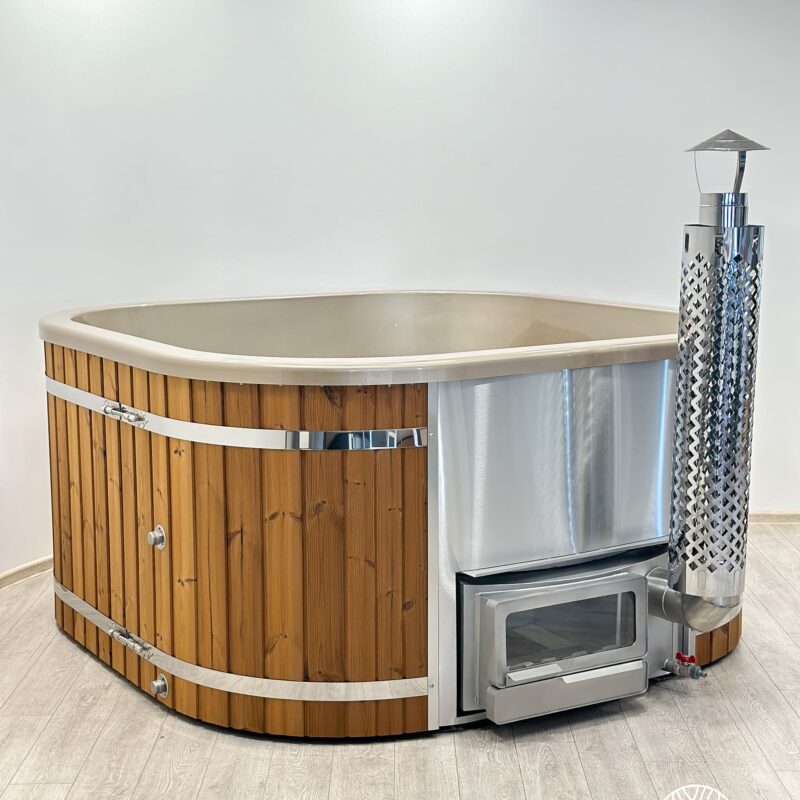
Acrylic shells are frequently paired with wood or composite cladding for a warmer, more finished look (photo: Memelwood)
3. Jacuzzi J-235
The brand name “Jacuzzi” has become a generic term for the whole category, but it’s worth remembering it’s still a specific manufacturer with its own engineering approach. The J-235 is one of their more popular mid-range models, built around a proprietary PermaSeal technology that bonds the shell to the frame in a way that reduces the risk of moisture working its way into the insulation. That matters because trapped moisture under the acrylic layer is, over time, the most common reason shells start breaking down from the inside.
The design leans classic, without much visual flourish, which suits buyers who value longevity over statement pieces.
4. Sundance Spas Altamar
Sundance took a different route with its Altamar line, built around ergonomics first. The shell is molded so the seats are formed as deep, integrated depressions in the acrylic rather than bolted-on inserts. Fewer seams means fewer places for water to seep in, or grime to build up over time.
The model also uses Fluidix jet technology with no moving internal parts — fewer mechanical components, fewer things that can fail a decade down the line.
5. Master Spas Michael Phelps Legend Series
Yes, that Michael Phelps — and yes, the name on the box actually has a reason behind it. The series was developed with input aimed at the competitive swimming and recovery community. The shell stands out for using a doubled acrylic layer at the base, where water weight puts the most load. It’s one of the few models on this list built with a swim-against-current system, which means the shell has to handle higher hydraulic pressure than a typical soaking tub.
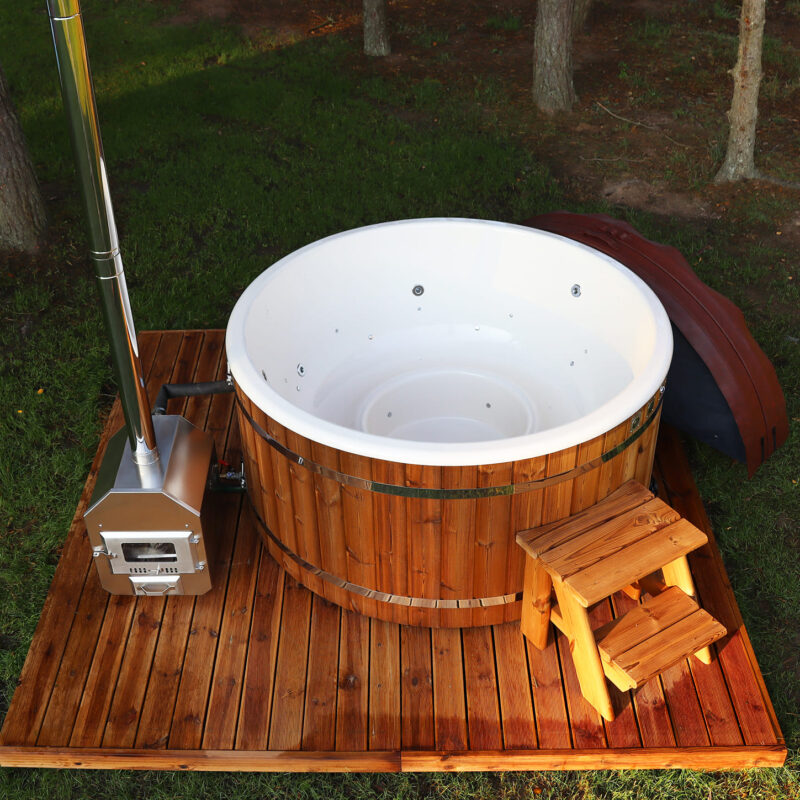
Good acrylic and fiberglass shells need to hold up just as well in cold weather as in constant hot water exposure (photo: Memelwood)
6. Wellis Sirius
Moving to Europe — Wellis is one of the largest manufacturers in Central and Eastern Europe, and the Sirius model shows exactly why their output is so popular in the region. The shell is engineered with continental climate swings in mind, using additives in the acrylic mix that reduce cracking risk during sudden temperature drops. Pricing is noticeably more accessible than American equivalents, and build quality fully holds up for the mid-market segment.
7. Aquavia Zen
Spain’s Aquavia brings a completely different aesthetic — light, minimalist lines that suit Mediterranean-style terraces better than traditional wooden decks. The Zen model’s shell runs thinner than most competitors, but the manufacturer compensates with a denser fiberglass layer underneath. The result is a lighter tub that’s easier to transport and install, without sacrificing durability.
The jet system is tuned more toward gentle massage than intense hydrotherapy, so this one leans toward relaxation rather than sports recovery.
8. American Spas AM-756L
American Spas offers one of the strongest price-to-quality ratios on this list. The AM-756L uses what the manufacturer calls a “Super Shell” acrylic layer — one of the thickest in their entire lineup, with reinforced zones around the feet and jet openings, exactly the spots we flagged earlier as the most common failure points. An exterior bottom drain makes water changes considerably easier, a detail buyers often only appreciate months in, the first time they actually have to drain the tub.
9. Empava EMPV-56
Empava has become one of the most searched-for brands among buyers who want more features without a premium price tag. The EMPV-56 stands out for LED lighting built directly into the jet rings rather than added as a separate accessory. The acrylic quality isn’t top-tier compared to premium brands, but as an entry-level model for a family buying their first hot tub, it does its job honestly.
10. Cal Spas Escondido
Closing out the list is Cal Spas with the Escondido, from a manufacturer that’s been in the market for more than four decades. The shell uses a multi-layer acrylic-fiberglass build with an added antimicrobial coating on the surface, which slows algae and bacteria buildup between cleanings. That’s particularly useful for anyone who uses the tub less than once a week and doesn’t want to constantly fight water quality issues.
Caring for an acrylic shell so it actually lasts
Even the best-built shell wears out faster with poor upkeep. A few habits worth building in:
Start with water chemistry. Acrylic itself holds up reasonably well against chemicals, but consistently high chlorine or bromine levels gradually dull the surface and make it more brittle over time. A basic test kit and a weekly check beats guessing.
Second, cleaning products. Many household cleaners — especially anything abrasive or solvent-heavy — leave micro-scratches that eventually become spots where dirt and bacteria collect. Manufacturers almost always recommend acrylic-specific cleaners, or at minimum a mild soap-and-water solution with a soft cloth.
Third, covering the tub when it’s not in use. Even UV-resistant acrylic fades over time under direct sun, and uncovered swings between hot and cold weather speed up shell aging. A quality insulated cover isn’t just a safety feature for kids or pets — it’s one of the cheapest ways to extend the shell’s lifespan.
And finally, a regular visual check. Once a month, take a close look at the shell, especially around jet openings and seat edges. Small cracks caught early are usually a quick, inexpensive fix. The same cracks ignored for months can lead to moisture working into the insulation and a much more expensive repair down the line.
Acrylic vs. roto-molded plastic
Worth a quick mention: the material acrylic gets compared to most often is roto-molded polyethylene, used in cheaper, often portable or inflatable tubs. Its advantage is cost and impact resistance, since the material itself is more flexible. But roto-molded plastic holds shape worse under sustained high temperatures, fades faster, and — most importantly — doesn’t come close to matching the insulation potential of layered acrylic with fiberglass backing.
In other words, if you’re planning to use the tub year-round rather than just in summer, an acrylic shell is almost always the smarter long-term investment, even with a higher upfront price.
Frequently asked questions
How long does an acrylic hot tub shell actually last?
Depending on manufacturer and upkeep, a well-built shell can last fifteen to twenty-five years. Electronics and pumps typically need replacing or repair sooner, but the shell itself often remains fully functional for decades.
Can you repair an acrylic shell yourself?
Minor scratches and surface defects can usually be fixed with acrylic repair kits sold by most manufacturers. Structural cracks, especially near jet openings or frame mounting points, are better left to a certified technician — a DIY attempt can make things worse and void the warranty.
Why do acrylic tubs vary so much in price if they look similar?
Price usually comes down to three things: acrylic sheet thickness, the quality and density of the fiberglass backing, and how much manual (versus automated) work goes into forming more complex shapes — like the deep, ergonomic seats in Sundance’s models.
Is it worth buying a used acrylic hot tub?
It can be, with caution. Check carefully for micro-cracks, look for signs of moisture getting into the insulation (often visible as a heavier or damp-feeling base), and ask how many years the tub’s been in use. Pump and electronics age matter more than shell age in most cases, since they tend to fail first.
This article draws on publicly available information about the hot tub market in 2026. Prices and specifications vary by region and dealer, so it’s worth confirming details directly with the manufacturer or an authorized dealer before buying. Product photos courtesy of Memelwood.